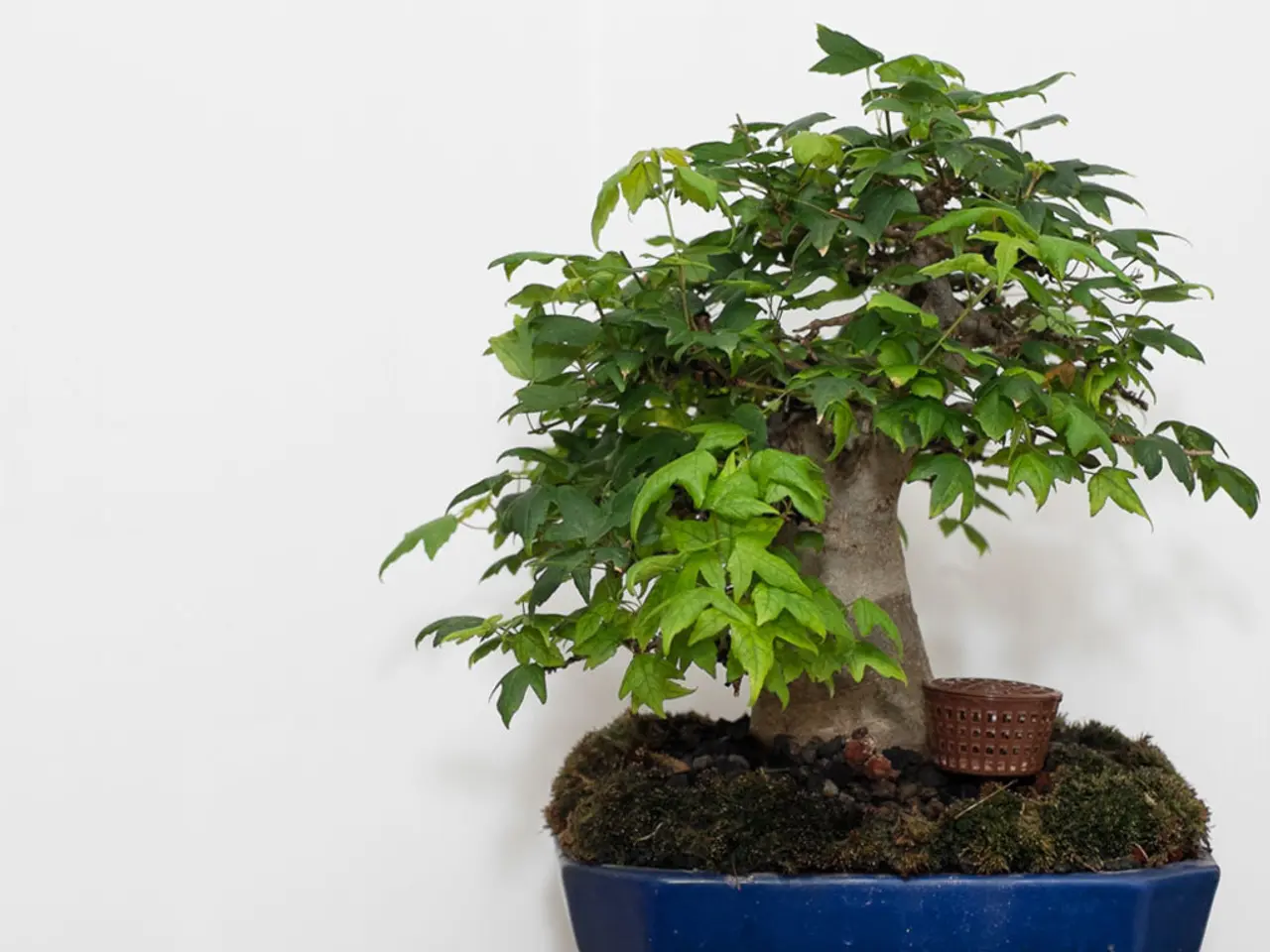
Comprehensive Guide for nurturing and maintaining Blue Jacaranda Bonsai plants
The Blue Jacaranda Bonsai, scientifically known as Jacaranda mimosifolia, is a unique tree native to South America, renowned for its aesthetic appeal. With delicate fern-like foliage and large clusters of purple flowers that bloom in late spring or early summer, it's no wonder this tree is a popular choice for bonsai enthusiasts.
To ensure the health and growth of your Blue Jacaranda Bonsai, follow these common care requirements:
Watering
Keep the soil evenly moist but never waterlogged. The roots suffer if saturated more than 48 hours. Regularly check the moisture levels by touching the top inch of soil—if dry, water. Bottom watering by soaking the pot in water for 30–45 minutes promotes stronger root growth. Water more frequently in hot, dry weather and reduce in winter when growth slows.
Light
Provide bright light to keep internodes short and encourage bud formation. Outdoors, 4-6 hours of direct morning or late afternoon sun with bright shade at midday is ideal. Indoors, aim for 12-14 hours of light at 250–350 µmol/m²/s PAR. Avoid harsh midday sun behind glass, which can scorch leaves.
Soil
Use a well-draining bonsai mix; avoid substrates that stay saturated. Although details on soil composition are not specified for Blue Jacaranda, bonsai generally benefit from mixes like akadama or similar materials that retain moisture but drain well.
Temperature
Jacarandas prefer warm temperatures; they can tolerate highs above 25°C but need reduction in watering during cooler periods. Avoid cold drafts and cold windows to prevent drying out.
Humidity
Maintain moderate humidity; misting can help in dry conditions but avoid overwatering the substrate. High humidity is beneficial during hot weather, but soil should not become waterlogged to prevent root rot.
Fertilizing
Feed with a balanced fertilizer during the growing season (spring and summer). Monitor tree response and adjust fertilization accordingly.
Potential Problems and Pests
Watch for root rot caused by overwatering and poor drainage. Leaf scorch may occur with excessive direct sunlight, especially behind glass. Fungus infections can occur if the environment is too wet or air circulation is poor; fungicide treatment may be necessary. Regular pruning helps manage weak or dead branches.
Nitrogen, Phosphorus, and Potassium
Nitrogen promotes leafy growth while phosphorus encourages root development and flowering. Potassium helps strengthen stems and overall plant structure.
Maintaining the health and beauty of your Blue Jacaranda Bonsai involves regular care, but with the right environment, it can thrive. Remember to check soil moisture levels, provide appropriate light, use well-draining soil, and fertilize during the growing season. Monitor for potential problems and pests, and prune as needed.
For added benefits, consider organic fertilizers like compost tea or fish emulsion, which provide slow-release nutrients over time while improving soil quality. And if you're feeling adventurous, collecting the tree's annual seeds for propagation purposes is another rewarding aspect of Blue Jacaranda Bonsai ownership.
Incorporating styling techniques specific to bonsai care, carefully sculpt the Blue Jacaranda Bonsai to maintain its aesthetic appeal and plant health. As part of a sustainable lifestyle, repurpose home-and-garden waste to create nutrient-rich compost for your Blue Jacaranda Bonsai, promoting a healthier environment and plant growth.