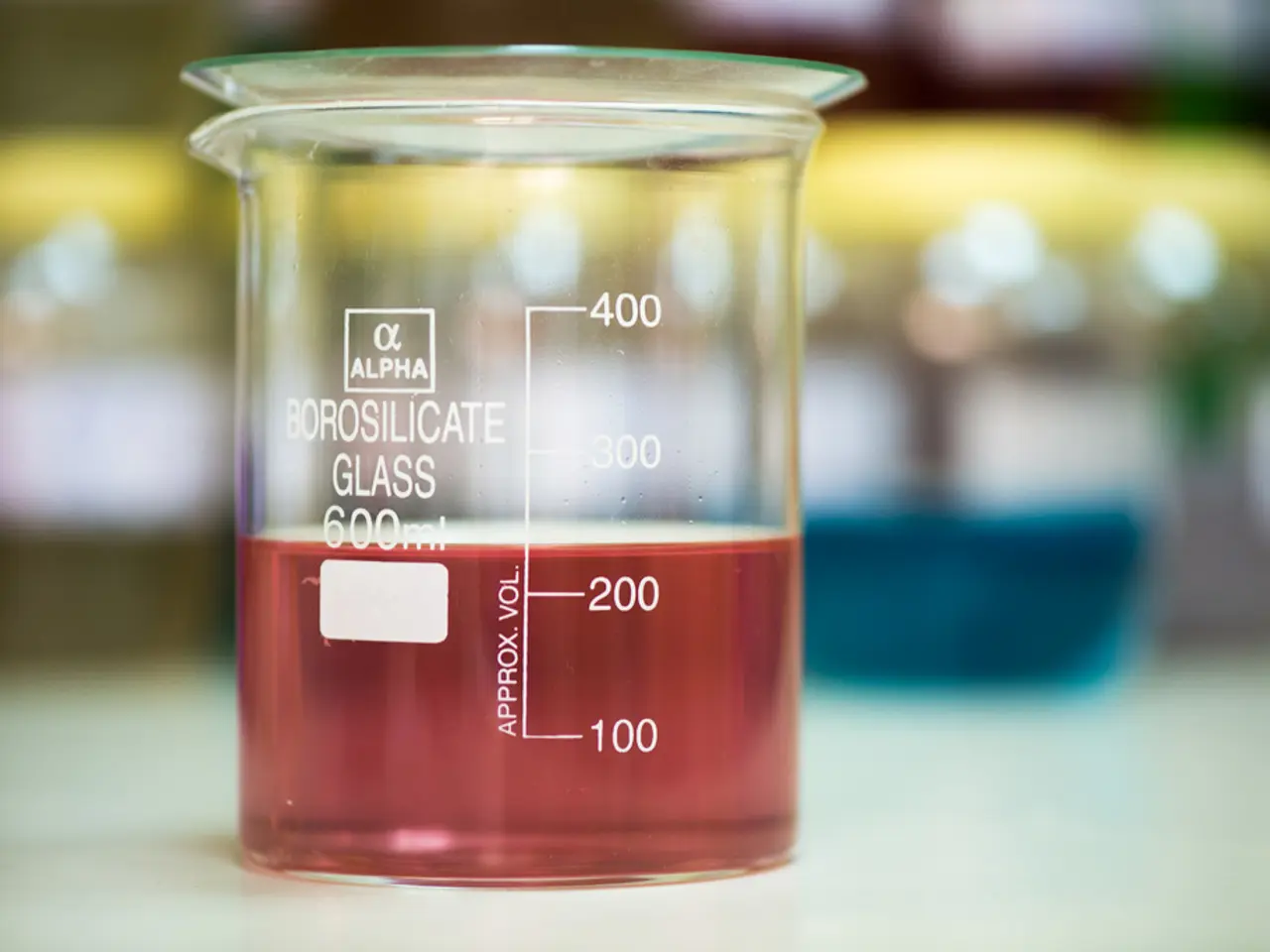
Density Column Crafted with Colorful Rainbows
The classic Rainbow Density Jar is a popular spring science experiment that introduces children to the concept of density. However, there are numerous other engaging and hands-on ways to explore this fascinating topic further. Here are some creative experiments that go beyond layering liquids, each highlighting different aspects of density and buoyancy.
---
## Floating Orange Experiment
**Materials:** Orange (with peel), peeled orange, large bowl of water
**Procedure:** Place an unpeeled orange in water—it should float. Then, peel the orange and place it in the water again—it now sinks! This experiment visually demonstrates how air pockets in the peel increase buoyancy, allowing the orange to float, while the denser, peeled fruit sinks.
**Scientific Principle:** The experiment shows how objects of the same mass can have different buoyancy due to trapped air, directly illustrating the relationship between density, volume, and floating.
---
## Density Tower with Multiple Liquids
**Materials:** Clear cup, honey, corn syrup, whole milk, dish soap, water, vegetable oil, rubbing alcohol, small objects (like an eraser), straw
**Procedure:** Carefully pour each liquid—starting with the densest (honey or corn syrup)—into a clear cup. Add the next densest liquid, and so on, until you’ve stacked all liquids. Drop small objects into the tower and observe where they settle. This creates a dramatic, colorful tower that visually demonstrates how density affects the position of objects in liquids.
**Scientific Principle:** Different liquids (and objects) have unique densities, causing them to form distinct layers or settle at specific levels within the mixture.
---
## Oobleck: Solid or Liquid?
**Materials:** Cornstarch, water
**Procedure:** Mix cornstarch and water to create a substance known as oobleck. Kids can squeeze it (it feels solid) or let it flow through their fingers (it acts like a liquid). This is a fun way to discuss non-Newtonian fluids and how some materials can have properties that change with force.
**Scientific Principle:** Oobleck behaves differently depending on the stress applied, introducing kids to concepts of viscosity and states of matter, which relate to how density can appear to change under different conditions.
---
## Lava Lamp Experiment
**Materials:** Clear bottle, water, vegetable oil, food coloring, Alka-Seltzer tablet
**Procedure:** Fill a bottle mostly with oil, then add water and food coloring. Drop in an Alka-Seltzer tablet and watch colorful bubbles move through the oil and water. This experiment is visually striking and demonstrates that oil and water don’t mix due to density differences, while the gas bubbles provide a dynamic element.
**Scientific Principle:** The experiment shows that liquids with different densities don’t mix, and gas formation can create movement, reinforcing the concept of density in a fun, aesthetic way.
---
## Breaking Water Tension with Soap and Pepper
**Materials:** Bowl of water, ground pepper, liquid dish soap, cotton swab
**Procedure:** Sprinkle pepper on the surface of a bowl of water. Dip a soap-covered cotton swab into the water; the pepper will quickly scatter. This visually demonstrates how soap reduces surface tension, affecting how objects (like pepper) interact with the water’s surface.
**Scientific Principle:** While primarily about surface tension, this experiment can be paired with density discussions—for example, comparing how objects float or interact at the surface versus within the liquid.
---
## Magic Milk Experiment
**Materials:** Milk, food coloring, plate, cotton swab, dish soap
**Procedure:** Pour milk onto a plate, add drops of food coloring, then dip a cotton swab with dish soap into the milk. Watch as the colors swirl and mix dramatically.
**Scientific Principle:** This experiment explores surface tension and chemical reactions, but can be extended to discuss density by comparing how different types of milk (whole vs. skim) react, or by adding objects to see where they float.
---
## Table of Density Experiments
| Experiment | Key Materials | Main Concept Demonstrated | |------------------------------|----------------------------------|----------------------------------| | Floating Orange | Orange, bowl, water | Buoyancy, air pockets | | Density Tower | Honey, syrup, milk, oil, etc. | Layering by density | | Oobleck | Cornstarch, water | Non-Newtonian fluids | | Lava Lamp | Oil, water, food coloring, tablet| Immiscible liquids, gas bubbles | | Soap & Pepper | Water, pepper, soap, swab | Surface tension | | Magic Milk | Milk, food coloring, soap | Surface tension, reactions |
---
## Summary
Beyond the Rainbow Density Jar, kids can explore density through experiments that involve buoyancy (like the floating orange), create dynamic visual effects (lava lamp), play with strange states of matter (oobleck), and investigate surface phenomena (soap and pepper, magic milk). Each activity uses simple household materials and offers clear, memorable demonstrations of scientific principles.
The concepts explored in this experiment include density, mass vs. volume, and the properties of liquids. These experiments are suitable for both classroom and home use, making them perfect for engaging children in science during the spring season.
- Playing with the Floating Orange experiment, children can discover how air pockets in an unpeeled orange increase its buoyancy, causing it to float, whereas the denser, peeled fruit sinks, demonstrating the relationship between density, volume, and floating.
- By creating a Density Tower with multiple liquids, kids can visually witness how different liquids (and objects) have unique densities, causing them to form distinct layers or settle at specific levels within the mixture.
- Oobleck, a substance made from cornstarch and water, offers a fun way for children to learn about non-Newtonian fluids and how some materials can have properties that change with force, relating to concepts of viscosity and states of matter.
- In the Lava Lamp experiment, children can observe the separation of oil and water due to their different densities, while the gas bubbles create a dynamic element, reinforcing the concept of density in a visually stunning way.
- The Breaking Water Tension experiment, using soap and pepper, visually demonstrates how soap reduces surface tension, affecting how objects interact with the water’s surface. This experiment can be paired with discussions about density to compare how objects float or interact at the surface versus within the liquid.
- The Magic Milk experiment showcases surface tension and chemical reactions, but can also be extended to discuss density by comparing how different types of milk (whole vs. skim) react or by adding objects to see where they float.
- When combined, these experiments provide a comprehensive Table of Density Experiments that help children understand key concepts in density, mass, volume, and properties of liquids in a hands-on, enjoyable manner. These experiments are suitable for classroom and home use, making them an ideal way to engage children in springtime science and STEM activities.