
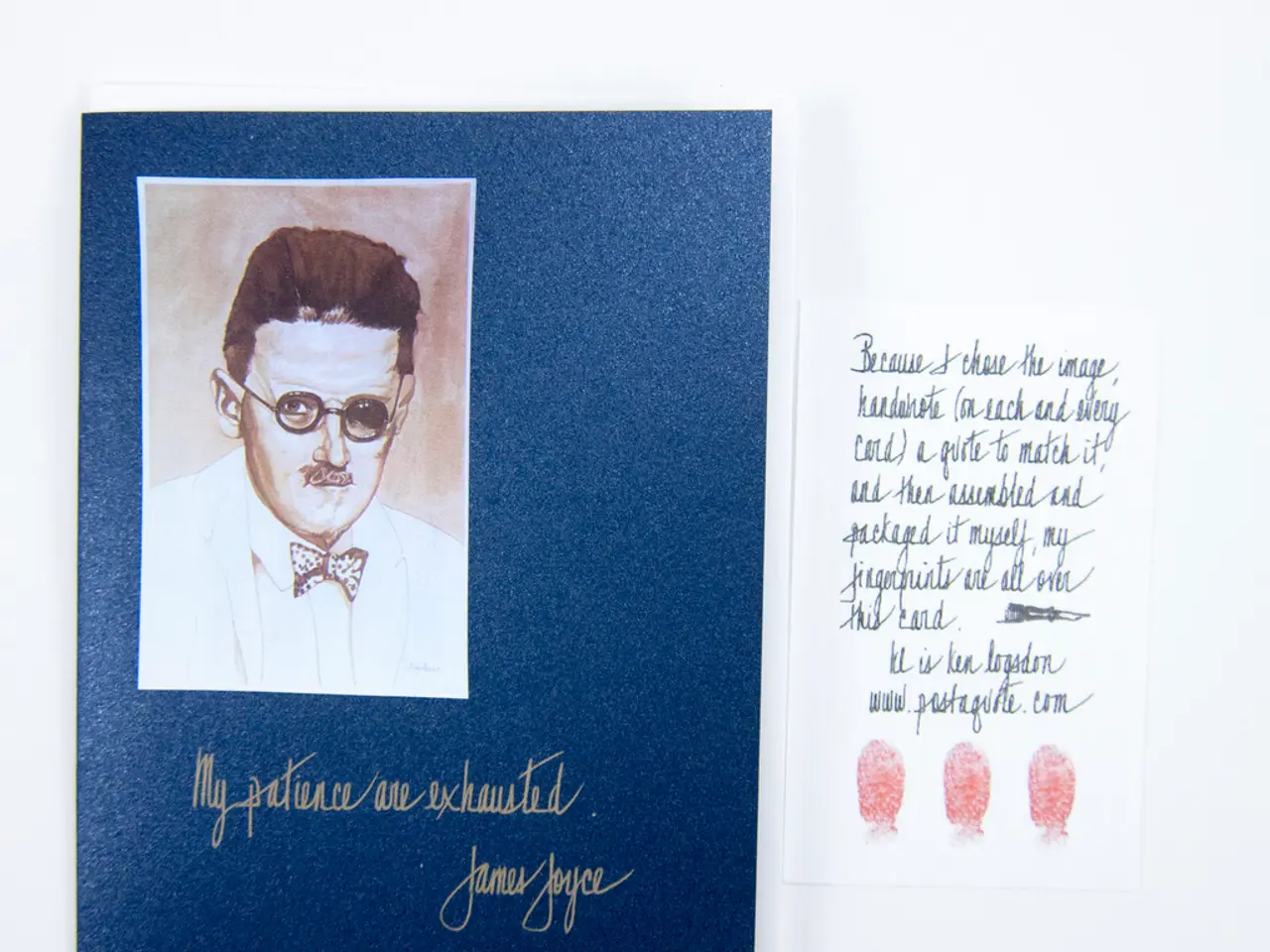
Exploring Font Trends in 2025 Book Covers:fonts That Attract Sales (& Fonts That May Miss the Mark)
In the world of book publishing, the choice of font can significantly impact a book's appeal and discoverability. From science fiction to romance, each genre requires a unique typographic approach to convey the tone, style, and reader expectations effectively.
For Science Fiction, clean, modern, and often geometric sans serif fonts are typically preferred. These fonts, such as Orbitron, Akashi, and Roboto, evoke a sleek and futuristic feel, aligning perfectly with the genre's technological themes. It's essential to avoid overly ornamental fonts that may clash with the sci-fi aesthetic.
Horror books often utilise fonts that mimic thematic elements, such as gore or psychological terror. Dripping or gory fonts, like Violence or Creaphy, are ideal for slasher or pulp horror, while scratchy, handwritten fonts, such as Akoom or Devil's Hand, are suitable for psychological or diary-style horror stories. These fonts help create an unsettling visual experience through jagged edges or unsettling shapes.
Fantasy books tend to feature decorative and stylised fonts, often with elaborate serifs, curls, or mystical design. Fonts like Cinzel Decorative, Yana, and Vectis are popular choices for epic or dark fantasy, as they convey magic, ancient or mythical worlds, and grandeur.
Romance novels usually favour soft, warm fonts that evoke intimacy and emotion. Handwritten or script fonts, such as Bentham, Day Roman, and The Dreamer, are often used due to their personal and elegant feel. Paired with soft lighting and warm colours on the cover, these fonts reinforce feelings of passion and warmth.
Nonfiction and historical fiction books often employ serif fonts, which convey seriousness, elegance, and classic appeal. Serif fonts are associated with trustworthiness and sophistication, making them ideal for subjects requiring authority and credibility. Sans serif fonts are also used for modern, clean looks, especially in contemporary nonfiction.
A good layout of typography can capture an audience and shape emotional reaction and purchase behaviour. The right typography (fonts, colour, style, spacing) can make or break a design, while a poor layout can cause negative thoughts and feelings in readers and make a cover harder to read and trust.
Resources for designing a winning book cover include The Ultimate Guide To Creating Your Book Cover Design, When and How to Redesign Your Book Cover, and Canva's Font Combination tool. Stephanie Sharlow, a Manhattan-based Award-Winning Writer, Digital and Lifestyle Expert, and the Chief Editor of DesignRush, provides valuable insights into optimal font choices by genre.
When selecting a font, it's crucial to consider the genre conventions, ensure it's easy to read, and evoke the desired emotions in readers. It's also important to double-check font licensing before using a typeface on a book cover, as some free fonts are for personal use only.
Some sites to find book cover typography include 1,001 Free Fonts, Font Squirrel, DaFont, and Fonts.com. Examples of books with effective typography include Call Me By Your Name and The Great Gatsby, which use fonts that evoke raw, unfiltered emotion and reinforce the themes of the novels.
Over 47,000 authors, NYT bestsellers, and publishing companies use Publisher Rocket for market insights to make informed decisions about their book's typography and design. The power of design can create an emotional connection, cultivate a community, or convey information in just one glance. Choosing the right font is an essential part of this process.
- In the realm of book marketing, understanding genre-specific font choices, such as modern sans serif fonts for science fiction or decorative serif fonts for fantasy, can significantly impact a book's appeal and discoverability.
- For those delving into fashion-and-beauty, home-and-garden, or food-and-drink lifestyle books, selecting warm, inviting, and easy-to-read fonts can help evoke a sense of comfort and professionalism, much like handwritten or script fonts often used in romance novels.
- In the world of entertainment, whether it's designing a book cover for science fiction, horror, fantasy, romance, or a nonfiction title, good typography can capture an audience and shape emotional reaction and purchase behavior, making or breaking a design and ultimately the book's success.
- Resources like Publisher Rocket offer valuable market insights on book typography, ensuring authors, NYT bestsellers, and publishing companies choose the right font that connects with readers, conveys information effectively, and cultivates a community in the ever-expanding book market.
)