Three Strategies for Reconsidering Photo Arrangement via the Rule of Thirds
In the world of photography, the rule of thirds is a fundamental principle often taught to beginners. However, there are several deeper composition principles that can elevate visual appeal and narrative in images. Here are ten key concepts to consider:
1. **Leading Lines**: Elements such as roads, paths, shorelines, or any continuous feature can guide the viewer's eye to the subject, creating a sense of depth and directing attention to the focus of the image.
2. **Framing**: Using natural or man-made features to enclose the subject adds depth and context, isolating it from the background and drawing more attention to it. Examples include arches, trees, or buildings.
3. **Negative Space**: Empty areas around and between subjects can create a sense of simplicity, serenity, and minimalism, drawing attention to the subject by contrast.
4. **Symmetry and Reflections**: Symmetry can create visually appealing compositions by using reflections or identical elements on either side of a central axis, as seen in mirror-like reflections or symmetrical architecture.
5. **Patterns and Textures**: Patterns and textures add depth and interest to an image, creating a sense of rhythm or highlighting specific elements within the scene.
6. **Color and Contrast**: Effective use of color can enhance the mood and emotional impact of an image. Contrasting colors can draw attention to specific elements, while harmonious colors can create a soothing atmosphere.
7. **Dynamic Symmetry**: Dynamic symmetry involves using non-traditional symmetrical compositions to create visually appealing and balanced images. This can include the use of golden ratios or other mathematical principles to arrange elements.
8. **Isolating the Subject**: Techniques such as using a shallow depth of field, negative space, or framing can help focus the viewer's attention on the primary subject.
9. **Intentional Use of White Space**: White space can be used to create a sense of simplicity and focus, and it can also help guide the viewer's eye through the image.
10. **Emotional Resonance**: Beyond technical rules, good composition also involves creating an emotional connection with the viewer. This can be achieved by capturing moments that evoke feelings or by using intuitive placement to create a sense of resonance.
The rule of thirds remains a useful tool for thoughtfully placing the main subject in the frame, but it's just one piece of the puzzle. Experimenting with these composition principles can help photographers create more captivating and meaningful images.
For instance, in landscape photography, the horizon line can be placed in a way that makes the composition more interesting, often taking up less than half the frame. Vertical crops can be used to adjust the placement of the main subject in the frame, and long shutter speeds can be used to blur the movement of stars or other elements in the sky.
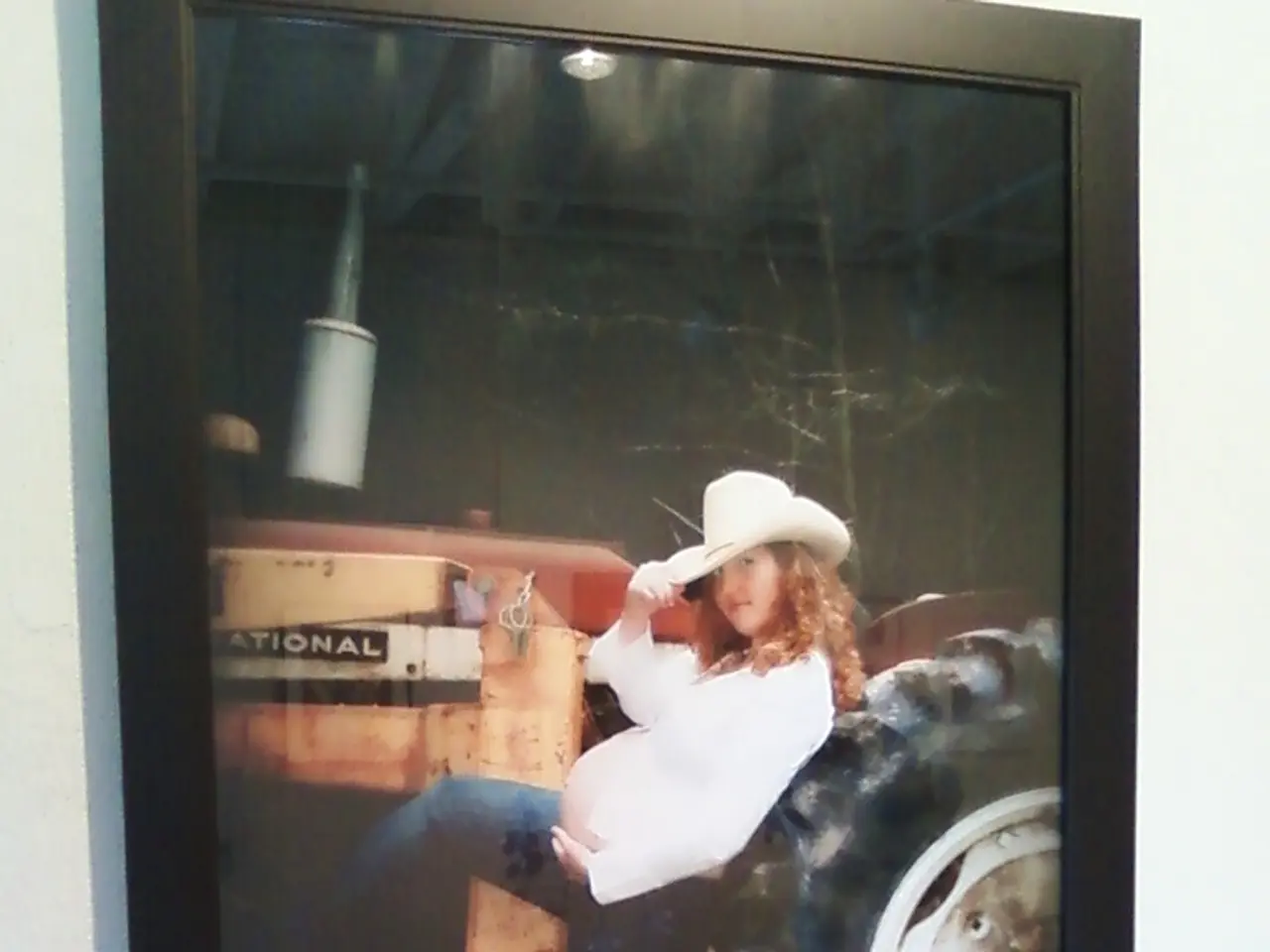
In portraits or close-ups, the main subject can be positioned on any of the four intersection points for added impact. Asking a subject to repeat a pose allows for exploring different placements and points of view. Adjusting the point of view can help create an interesting background in a photo, and isolating the subject from the background can help focus the viewer's attention on the primary subject.
Remember, photography is as much an art as it is a science, and the best compositions often come from a blend of technical understanding and creative intuition. So, next time you pick up your camera, consider these principles to elevate your photography game!
- When capturing a landscape photograph, consider placing the horizon line in a way that complements the overall composition, usually taking up less than half the frame, like using the rule of thirds in a home-and-garden setting to create a balanced composition for a vibrant flower arrangement.
- In lifestyle photography, paying attention to the subject's placement within the frame can greatly impact the image's emotional resonance, much like how arranging furniture comforters and decorative items in a home can create a harmonious, inviting atmosphere.